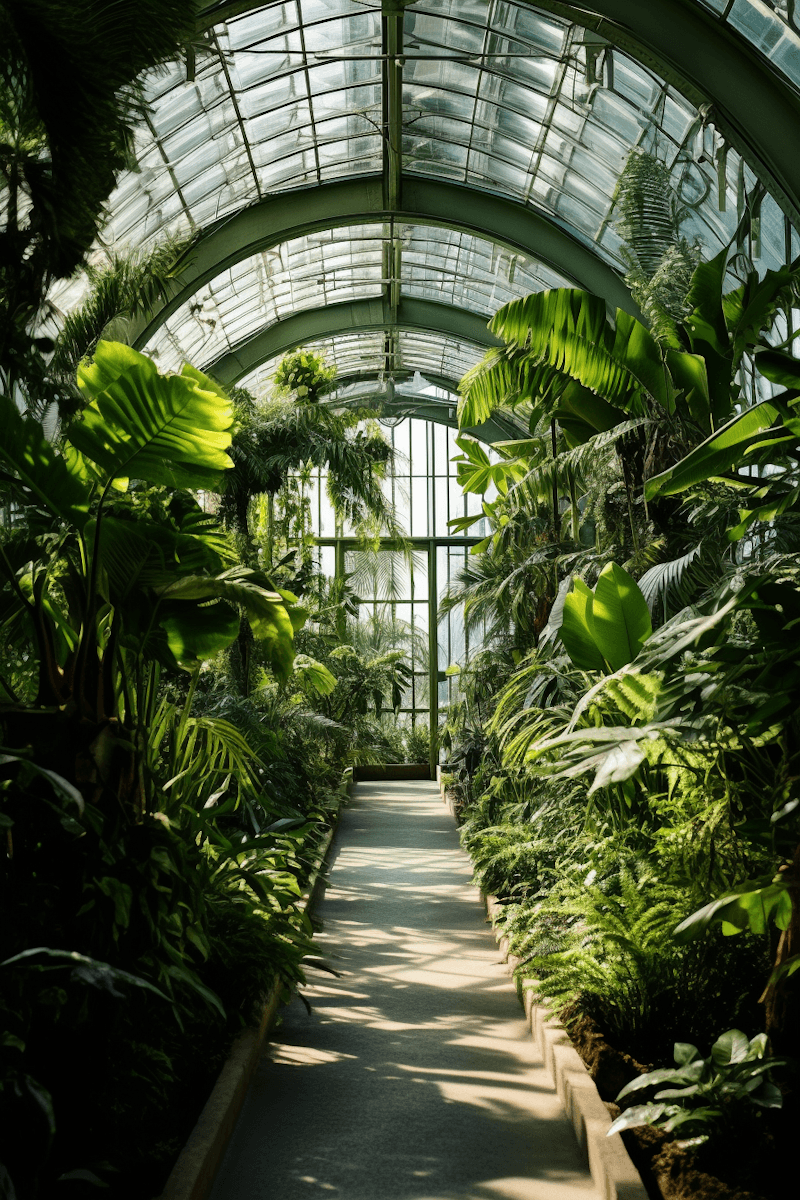
The best plant palette is not the one that looks perfect in a catalogue. It is the one that understands your winter, your light, and the weeks you will be away.
1. Start with the hardiness zone
Hardiness is the first filter because a plant cannot recover from a climate it was never built to handle. Use the zone as a baseline, then refine the list for your exact exposure and soil.
Check the lowest winter temperature for your area.
Treat the zone as a guide, not a guarantee.
Choose a few dependable plants before experimenting.
2. Read the light across a full day
Morning sun, afternoon glare and reflected heat from a wall create very different growing conditions. Watch the site before you shop, and note which areas stay damp or dry after rain.
Map full sun, part shade and deep shade.
Notice reflected heat near paving and walls.
Group plants with similar moisture needs.
3. Build a palette with repeatable performers
A resilient garden is built from a few dependable performers repeated with intention. Repetition gives the planting rhythm, while a smaller number of special plants keeps the composition personal.
4. Leave room for the garden to change
Perennials need time to settle, shrubs need space to mature, and a new border rarely looks finished in its first season. Plant for the second and third year rather than filling every gap immediately.
Small Gardens
Layout
Planting
Share this post
f
x
in
Search
Search articles…
Categories
See all
Maintenance
Outdoor Living
Planting
Design